Custom Packaging Tooling Approval: A Buyer’s Checklist
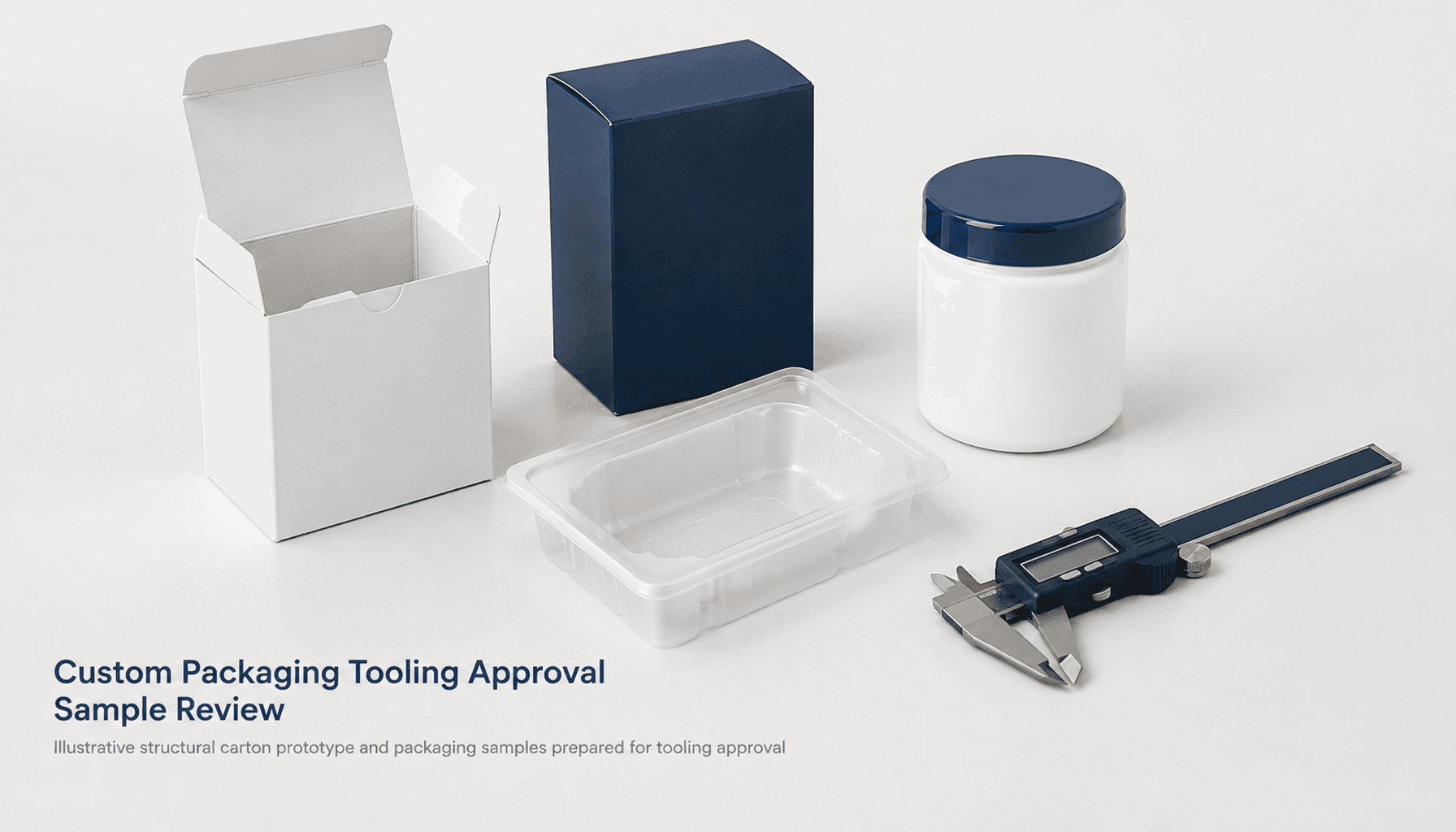
Table of Contents
- Separate Drawing Approval, Tooling Release, and Production Approval
- Identify the Tool Family and What It Controls
- Prototype and Production Sample Types: Comparison Table
- Prepare the Custom Packaging Tooling Approval Package
- Inspect Samples Made With the Intended Production Process
- Follow a Step-by-Step Release and Change-Control Sequence
- Confirm Tooling Charges, Rights, Maintenance, and Storage
- Coordinate CosunPack Carton, Tray, and Container Development
- Frequently Asked Questions About Packaging Tooling Approval
- Plan Your Packaging Set With CosunPack
Start custom packaging tooling approval by signing off controlled drawings, materials, and acceptance criteria before authorizing tool manufacture. Release bulk production only after samples made with the intended tooling and process satisfy a separate written approval.
Table of Contents
Separate Drawing Approval, Tooling Release, and Production Approval
Custom packaging tooling approval is a documented decision to accept a defined die or mold scope against controlled requirements. Keep three permissions distinct:
- Drawing approval: accepts component geometry, interfaces, materials, and acceptance criteria.
- Tooling release: authorizes manufacturing the specified tools against an identified drawing revision and commercial scope.
- Production approval: accepts production-representative samples and authorizes the defined manufacturing run.
Approving a prototype accepts only what that prototype demonstrates. Packaging tooling sign-off must state whether it authorizes tool construction, accepts tool corrections, or releases production.
Identify the Tool Family and What It Controls
Identify each tool and its controlled features before requesting approval. Carton dies, tray-forming tools, and container molds create different manufacturing risks and need different evidence.
Carton Cutting Dies and Creasing Tools
Cutting rules establish the blank outline; creasing rules and their matched counter or channels help form the folds. For folding cartons, approve the dieline—the flat layout of cuts, creases, and glue areas—together with board grade, thickness, grain direction, and coating.
Check erected internal clearance around the actual tray and container, tuck engagement, squareness, glue areas, and crease cracking. A digitally cut white sample supports structural review but does not establish production die-cutting or creasing performance.
Thermoforming Tools for Protective Trays
Thermoforming heats sheet material and forms it over or into tooling; trimming establishes the final perimeter. For thermoformed plastic tray inserts, confirm pocket geometry, draft for release, radii, support points, and the trim location.
Specify polyethylene terephthalate (PET) or polypropylene (PP), the selected grade, starting sheet thickness, and any required minimum formed-wall thickness at identified locations. Forming stretches the sheet unevenly. Validate retention, product removal, nesting, and fit inside the carton using formed and trimmed samples.
Container Molds and Their Mating Components
Container tooling controls features according to the molding process. For custom plastic-container programs, identify which tools establish the body, neck finish, closure, and any inner cup. Some bottle processes establish the neck in preform tooling rather than the body blow mold.
Custom mold sample approval should cover the specified resin, capacity definition, neck drawing, sealing surface, closure or liner, and finished assembly envelope. Nominal neck diameter alone does not establish compatibility. Check the capped container inside its tray and carton; formulation compatibility requires separate evaluation.
Prototype and Production Sample Types: Comparison Table
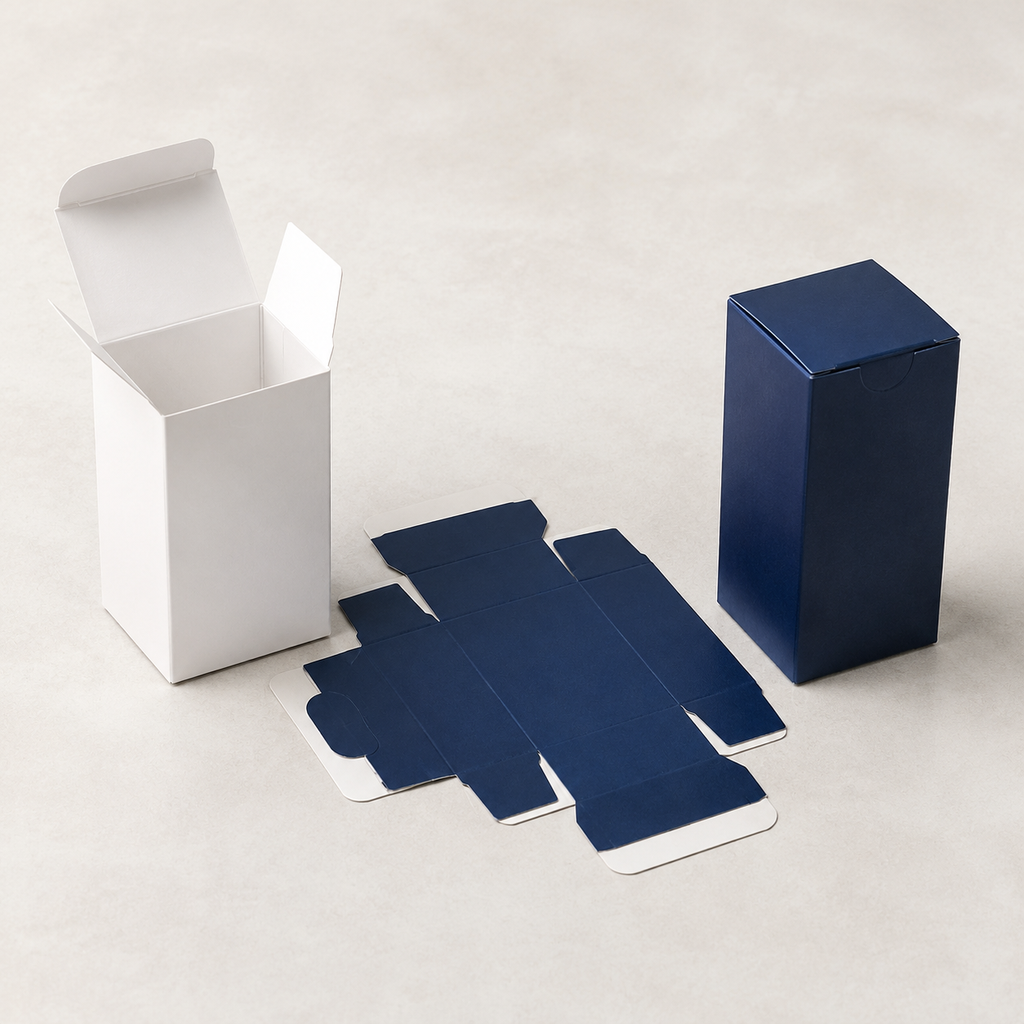
The packaging prototype vs production sample decision depends on manufacturing evidence. Ask how each sample was made and record substitutions in material, tooling, decoration, or assembly.
| Sample type | Useful approval evidence | Still needs validation |
|---|---|---|
| Digital model or 3D-printed model | Shape, layout, preliminary assembly access | Production material behavior, shrinkage, sealing, and finish |
| White carton structural sample | Size, folds, opening sequence, preliminary packed fit | Production creases, glue application, printing, and coating effects |
| Printed proof | Artwork content, placement, and color within the proof method’s limits | Finished-pack structure and effects of the actual substrate and finishing process |
| First-tool sample | Initial tool geometry and component fit using documented material and conditions | Corrections, omitted finishes, and performance across cavities and operating conditions |
| Pilot or preproduction sample | Combined tooling, intended materials, decoration, and assembly | Any documented departures from the intended process and routine lot consistency |
Stage names vary between suppliers. State the required process and approval scope in the sample request.
Prepare the Custom Packaging Tooling Approval Package
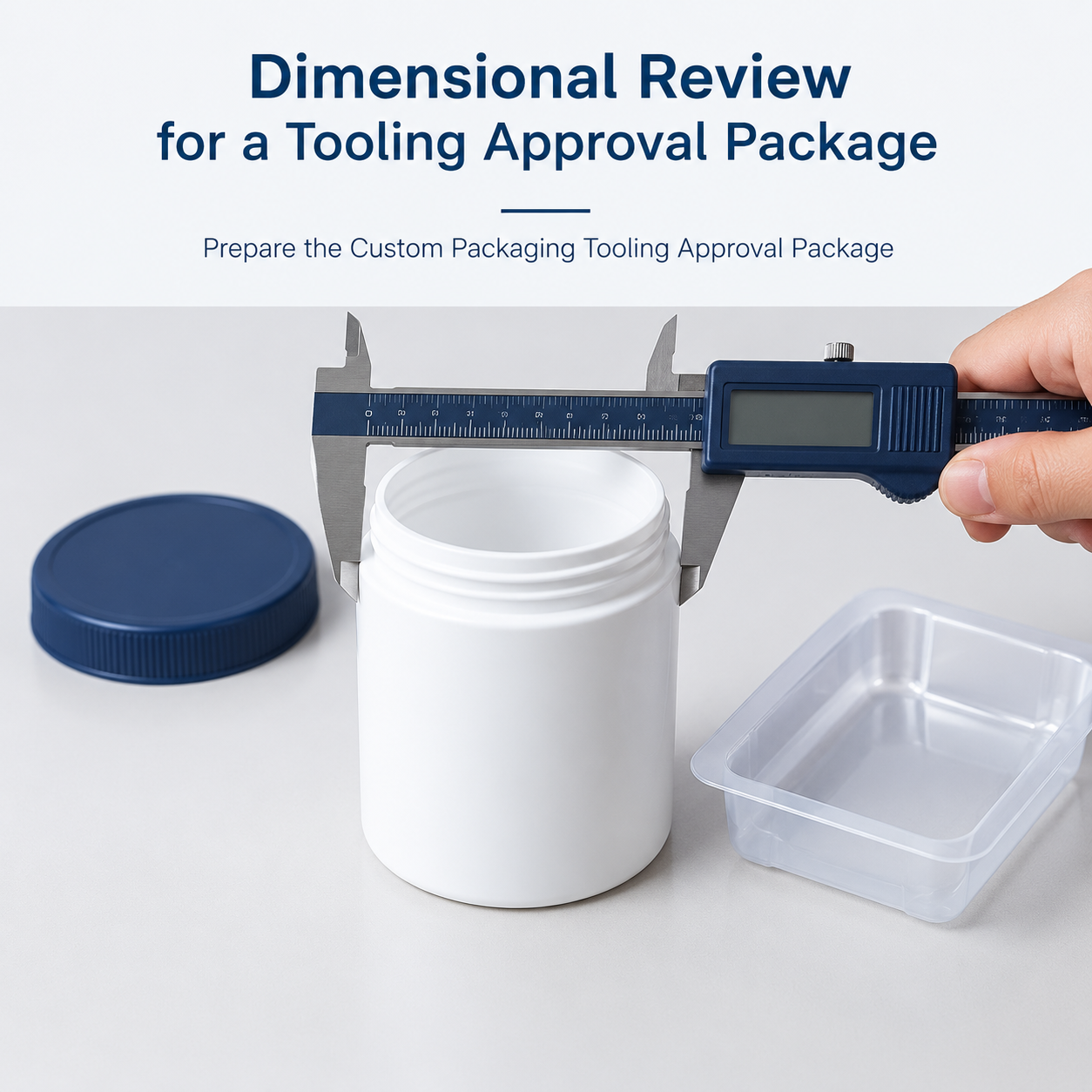
Before tooling begins, approve component drawings, material specifications, mating interfaces, and the inspection plan. Keep these in one controlled package accessible to the buyer, coordinator, toolmaker, and production facility.
Control Drawings, Materials, Critical Dimensions, and Revisions
Effective packaging drawing revision control connects every sample and tool to the same approved requirements. Include:
- Document identity: component number, drawing revision, date, and authorized approvers.
- Geometry: dimensioned drawings, relevant computer-aided design (CAD) files, datums, and tolerances for critical features.
- Measurement basis: master units, such as millimeters (mm), internal versus external dimensions, and assembled versus flat condition.
- Materials: board or resin grade, thickness, additives where relevant, and finish specifications.
- Interfaces: actual product dimensions and variation, closure drawings, tray pockets, carton clearance, and packing orientation.
Specify document precedence and resolve any sample-to-drawing conflict before release. Withdraw superseded files from active manufacturing use.
Define Process-Specific Acceptance Criteria and Sample Quantities
Turn descriptions such as “fits securely” into observable requirements with agreed limits and methods:
- Carton: identify measured panels, crease-cracking limits, glue integrity, and erection or closing checks.
- Tray: specify pocket measurement locations, trim limits, wall-thickness checks, retention, and removal method.
- Container: define neck and sealing dimensions, capacity measurement, closure checks, and applicable leak-test conditions.
Where required, express force in newtons (N) and torque in newton-meters (N·m), with equipment, direction, conditioning, and test method. Set material-specific appearance references and viewing conditions.
Agree sample quantities by feature risk, cavities, repeated setups, and destructive testing needs. Include retained references and buyer trials. A few selected samples cannot establish statistical process capability or replace the routine production inspection plan.
Inspect Samples Made With the Intended Production Process
First-article packaging inspection checks initial production-representative parts against the approved package. Record the actual material, tool revision, manufacturing conditions, and any substituted operations. Confirm that samples have undergone the agreed cooling, conditioning, trimming, decoration, and assembly before judging affected features.
Check Dimensions, Assembly, Finish, and Functional Fit
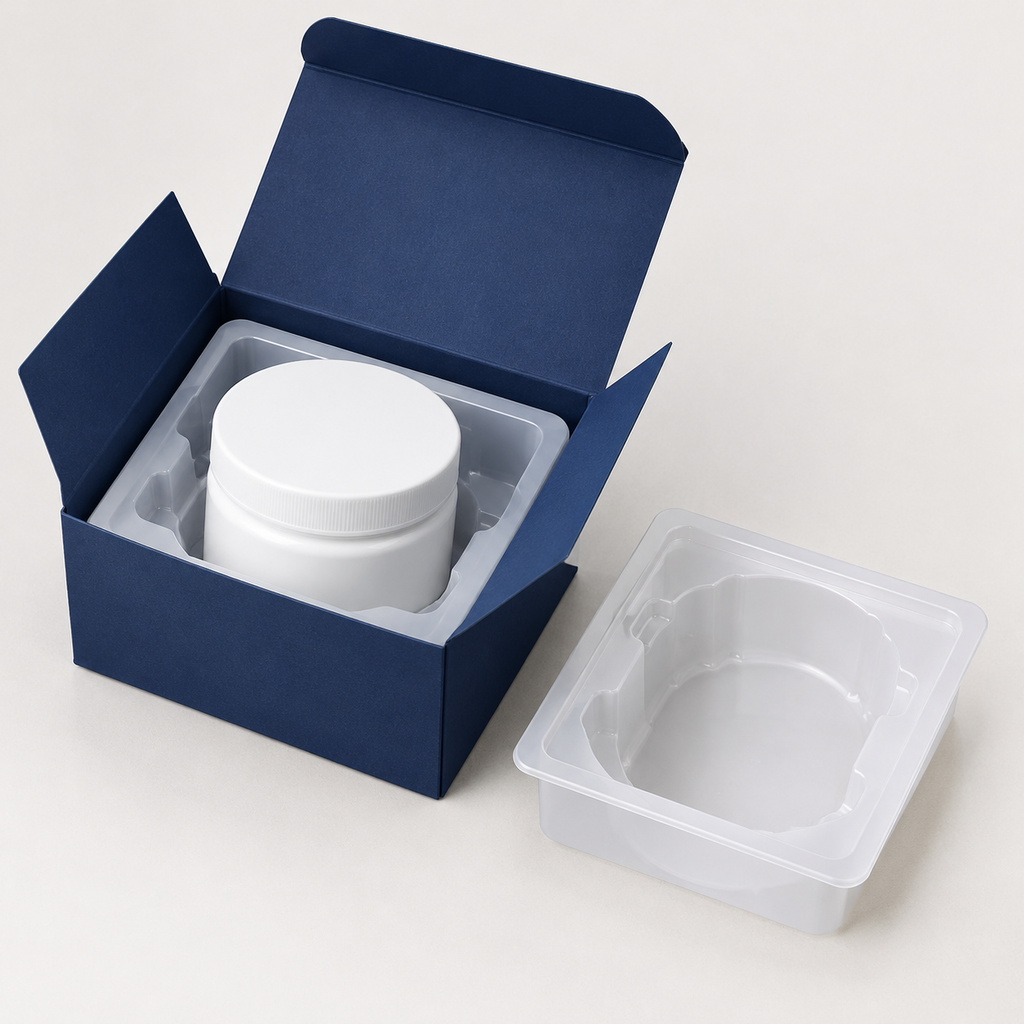
Inspect individual parts, then assemble the complete pack with the actual product. Check critical dimensions using suitable calibrated equipment; measurement pressure must not distort flexible walls or paperboard.
Verify closure engagement, label clearance, tray retention, removal access, carton closing, and intended packing-line operation. Assess plausible combinations of component dimensional limits rather than relying on one unusually good assembly.
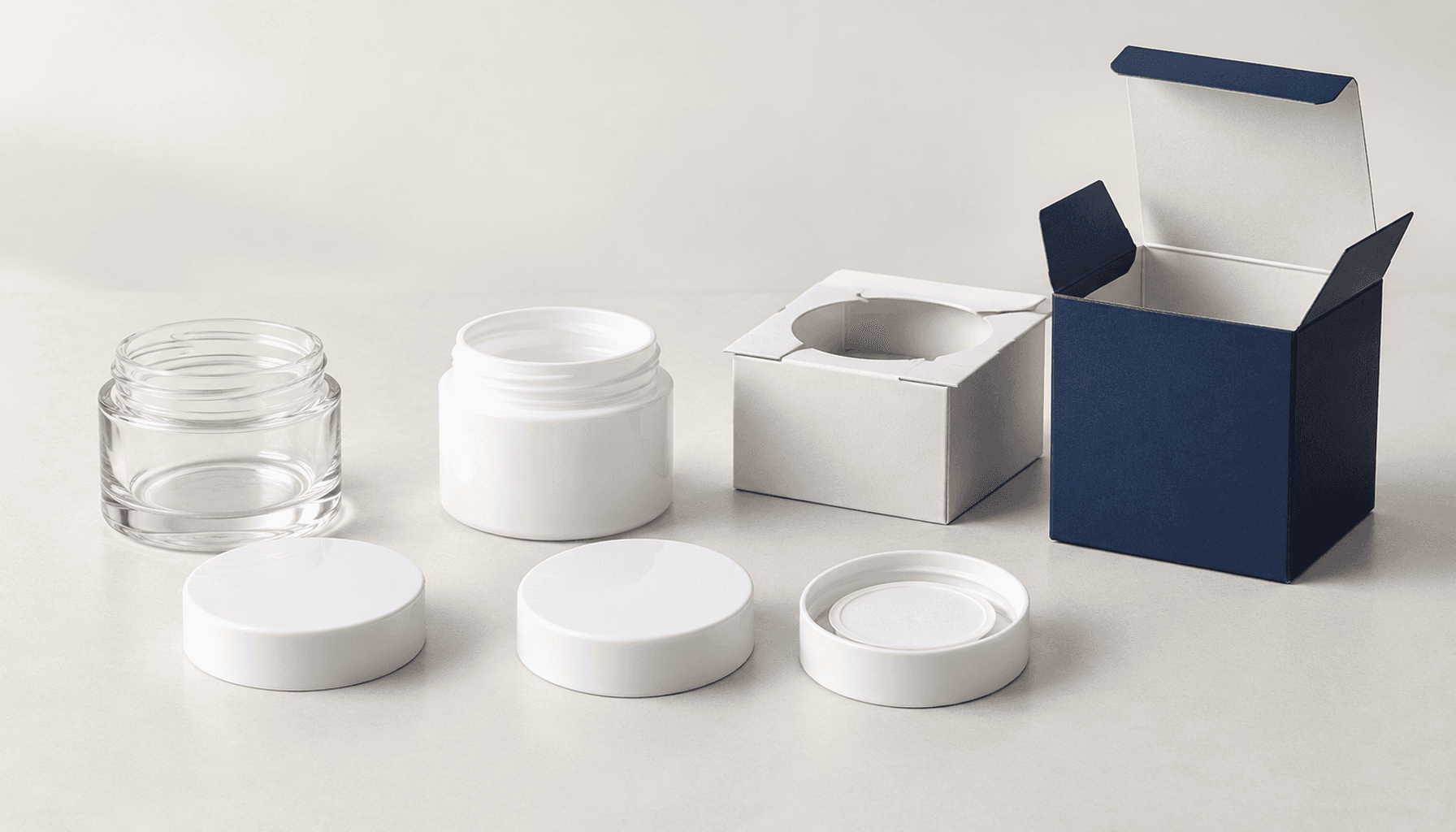
For an illustrative jar set, an acceptable jar and tray can still exceed the carton’s internal clearance after decoration. Review the finished assembly. Record failures, corrective actions, and retest results. Tooling approval does not establish shelf life or food-contact compliance; assign applicable product and intended-use validation separately.
Record Tool or Cavity Identity Where Relevant
Trace inspection results to the tool and, where applicable, each mold cavity or forming position. Agree coverage across cavities and run timing; combined averages can hide a failing position.
Use molded identification where feasible or a documented collection map where markings are unavailable.
Minimum release record: drawing revision, tool identity, sample or batch identity, measurement results, deviations, decision, approver, and date. Retain labeled reference samples with the same identifiers.
Follow a Step-by-Step Release and Change-Control Sequence
Require new samples whenever a change could affect an approved characteristic. Tool revision is necessary when the tool-controlled geometry or construction must change.
- Review feasibility: resolve manufacturing concerns with the toolmaker before approving drawings.
- Freeze the baseline: sign drawings, materials, interfaces, inspection criteria, and tool scope.
- Release tooling: authorize identified tools and charges in writing.
- Inspect first-tool samples: compare results with requirements and log corrections.
- Approve production: accept representative samples and close deviations, or document a limited concession with quantity and expiry.
- Control later changes: assess effects, issue revisions, approve costs and timing, and repeat affected checks before release.
A board-thickness, resin-grade, closure, trim, or production-site change can require renewed validation even without new tooling. Align these records with the packaging order process and identify who can authorize each gate.
Confirm Tooling Charges, Rights, Maintenance, and Storage
Packaging tooling ownership depends on the written agreement. Paying a tooling charge alone does not settle title, exclusivity, possession, or transfer rights. Agree:
- Included scope: tool count, cavities, inserts, trimming tools, fixtures, trials, sample quantities, reports, and revision allowances.
- Rights and payment: ownership, when title transfers, authorized users, exclusivity, manufacturing location, and milestone acceptance.
- Maintenance: inspection, cleaning, repairs, wear criteria, replacement responsibilities, and any agreed service-life basis.
- Storage: location, retention period, storage charges, inactivity rules, and notice before disposal.
- Transfer: release conditions, access to agreed drawings or files, intellectual property permissions, packing, freight, and receiving-machine compatibility.
Where a partner facility holds the tool, document how these obligations apply there and who coordinates enforcement. Allocate correction costs between supplier nonconformance and buyer-requested changes; sample approval should not erase responsibility for meeting agreed requirements.
Assess total project cost across tooling, trials, sample shipping, inspection, corrections, and any transfer or requalification work. Obtain written approval for changed charges and schedules before work proceeds.
Coordinate CosunPack Carton, Tray, and Container Development
CosunPack’s published manufacturing model combines Guangzhou paper and flexible-packaging operations with specialized equity-partnered container facilities in the Pearl River Delta. Plastic-container facilities must be identified accurately as partners.
Its packaging development capabilities support coordinated component fit, sampling, and material-specific approvals. Identify each production site and approval owner in the project record.
| Component | Approval focus | Matched interface |
|---|---|---|
| Folding carton | Dieline, board, creases, glue, finish | Internal clearance around the loaded tray |
| Thermoformed tray | Pockets, formed walls, trim, retention | Finished container and carton interior |
| Plastic jar and lid | Resin, neck, closure, capacity, decoration | Closure system, tray pocket, and label area |
This is an illustrative development arrangement. Confirm tooling scope, sampling, and production timing for the specific project.
Frequently Asked Questions About Packaging Tooling Approval
What is the difference between approving a prototype and approving production tooling?
Prototype approval accepts the features demonstrated by that sample, such as shape or preliminary fit. Tooling release authorizes specified tool manufacture. Production approval requires evidence from samples made with the intended tooling, materials, and process against written acceptance criteria.
Which drawings and specifications should be signed off before tooling begins?
Approve revision-controlled component drawings, carton dielines where applicable, material specifications, critical dimensions and tolerances, mating-component interfaces, finish references, and the inspection plan. Identify master units, sample quantities, tool scope, document precedence, and authorized approvers.
Who owns custom packaging tooling, and what should the agreement cover?
Ownership follows the written agreement. Define title, possession, permitted use, exclusivity, payment milestones, maintenance, storage, disposal notice, and transfer arrangements. If a partner facility holds the tool, document its obligations and the coordinator’s responsibilities.
When does a packaging design change require new samples or tooling revisions?
Request new samples when a change could affect an approved dimension, appearance, assembly, or function. Revise tooling when tool-controlled features must change. Material, process, or facility changes can require renewed validation even when the existing tool remains usable.
Plan Your Packaging Set With CosunPack
A controlled drawing baseline, representative samples, and explicit release records give each tooling decision a clear scope. Complete those records across the container, closure, tray, and carton before authorizing production.
FAQ
What is the difference between approving a prototype and approving production tooling?
Prototype approval accepts the features demonstrated by that sample, such as shape or preliminary fit. Tooling release authorizes specified tool manufacture. Production approval requires evidence from samples made with the intended tooling, materials, and process against written acceptance criteria.
Which drawings and specifications should be signed off before tooling begins?
Approve revision-controlled component drawings, carton dielines where applicable, material specifications, critical dimensions and tolerances, mating-component interfaces, finish references, and the inspection plan. Identify master units, sample quantities, tool scope, document precedence, and authorized approvers.
Who owns custom packaging tooling, and what should the agreement cover?
Ownership follows the written agreement. Define title, possession, permitted use, exclusivity, payment milestones, maintenance, storage, disposal notice, and transfer arrangements. If a partner facility holds the tool, document its obligations and the coordinator’s responsibilities.
When does a packaging design change require new samples or tooling revisions?
Request new samples when a change could affect an approved dimension, appearance, assembly, or function. Revise tooling when tool-controlled features must change. Material, process, or facility changes can require renewed validation even when the existing tool remains usable.
Plan Your Packaging Set With CosunPack
Prepare a drawing-and-sample review inquiry with your product, dimensions or fill capacity, intended use and operating conditions, quantity per stock keeping unit (SKU), material and finish preferences, artwork status, US destination, and target date. Identify the container, closure, tray, carton, and label interfaces needing review.
CosunPack can review structure, component fit, sampling, and production options for a written project quotation. The contact page prepares an email draft; review and send it from your own account. It does not submit the inquiry or upload files. Share confidential artwork through an agreed channel after a nondisclosure agreement if needed.
About CosunPack Engineering
CosunPack is an OEM/ODM packaging manufacturer established in 2008 in Guangzhou, China. We specialize in custom paper boxes, flexible barrier pouches, rigid boxes, and bottles with low MOQ and direct worldwide export.
Need Custom Packaging for Your Brand?
Get free dieline engineering support and a factory-direct quote in 24 hours.